Difference Between Thread And Asynctask In Android
The difference between Handler and AsyncTask is. AsyncTask is an asynchronous task is defined by a computation that runs on a background thread and whose result is published on the UI thread.
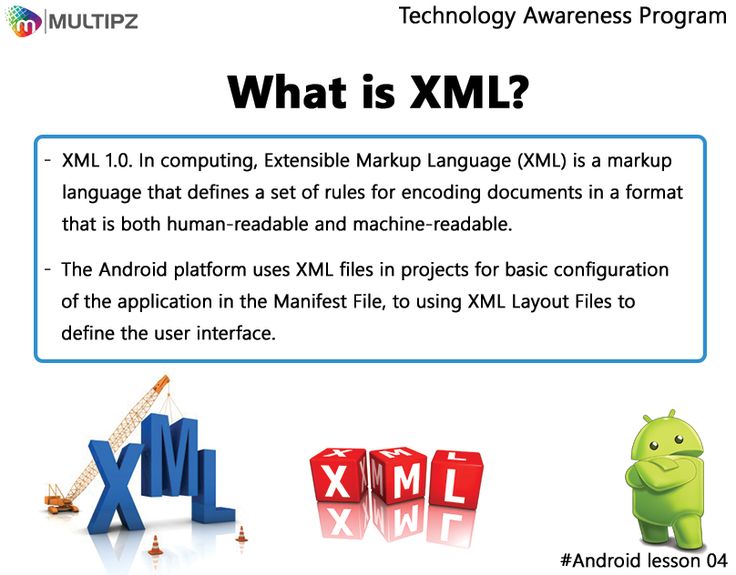
Technology Awareness Program Android Lesson 04 What Is Xml Awareness Technology Uman
A thread is generally developed for that.

Difference between thread and asynctask in android. Long task usually with no communication to main thread. For the most part Service s are for when you want to run code even when your applications Activity isnt open. When you use a Thread you have to update the result on the main thread using the runOnUiThread method while an AsyncTask has the onPostExecute method which automatically executes on the main thread after doInBackground returns.
Every statement is therefore executed in sequence. You can create your own threads and communicate back with the main application thread through a Handler. Basically the user needs to run some portion of code without user interaction.
Threads are the cornerstone of any multitasking operating system and can be thought of as mini-processes running within a main process the purpose of which is to enable at least the appearance of parallel execution paths within applications. Difference between Android Service Thread IntentService and AsyncTask. Use AsyncTask when Caller thread is a UI Thread.
For this reason we suggest that you only use AsyncTask to handle work items shorter than 5ms in duration. Use threads within service for long tasks. For tasks in parallel use Multiple threads traditional mechanisms Code may become difficult to read.
If you perform a long lasting operation the application blocks until the corresponding operation has finished. AsyncTask enables proper and easy use of the UI thread. Likewise what is difference between handler and thread.
What is the difference between handler vs AsyncTask vs thread. Also as Sherif already said services do not necessarily run off of the UI thread. It cant be done with normal thread unless you use Handler on UI Thread and post a message OR directly change attribute of an object by implementing proper synchronization.
With nAsyncTaskyou get can do the operation in a background thread and get the result in the main thread of the application. In android it is mostly used to communicate with main thread by creating and sending messages through handler. Later you can interact with the UI.
Thread can be triggered from any thread main UI or background. I am currently giving you. But AsyncTask must be triggered from main thread.
With n AsyncTask you get can do the operation in a background thread and get the result in the main thread of the application. The Handler class can be used to register to a thread and provides a simple channel to send data to this thread. AsyncTask is used for managing those tasks that you cannot make to work on the main thread.
Thread can be triggered from any thread mainUI or background. The AsyncTask class encapsulates the creation of a background process and the synchronization with the main thread. The AsyncTask class encapsulates the creation of a background process and the synchronization with the main thread.
What is AsyncTask. For more information read Difference between Android Service Thread IntentService and AsyncTask. It is a unit of execution who run parallel to the Main thread is relevant to flag that you cant update a UI component from the main Thread.
This is what android document says. All other answers here are not complete there is a big difference between AsyncTask and Thread ie. Also on lower API of Androidnot sure maybe API level 11 one instance of AsyncTask can be executed only once.
To provide a good user experience all potentially slow running operations in an Android application should run asynchronously. A Thread is a class. To avoid this we use android AsyncTask to perform the heavy tasks in background on a dedicated thread and passing the results back to the UI thread.
AsyncTask s are designed to make executing code off of the UI thread incredibly. Long task in general. It fulfills the set of codes parallel to the main thread.
Thread- is a light weight process to achieve concurrency and maximum cpu utilization. But in Android multi-tasking can be done by any of the three methods Thread Service and AsyncTask. By default application code runs in the main thread.
Task with no UI but shouldnt be too long. The Handler class can be used to register to a thread and provides a simple channel to send data to this thread. AsyncTask- is used to perform long running applications in a background thread.
Async task enables you to implement multi threading without get hands dirty into threads. AsyncTask - is used to perform long running applications in a background thread. AsyncTask enables proper and easy use methods that allows performing background operations and passing the results back to the UI thread.
Here is an example of AsyncTask Android AsyncTask example with a progress bar in kotlin. AsyncTask allows you to perform asynchronous work on your user interface. AsyncTask enables proper and easy use of the UI thread.
Due to this single thread model tasks that take longer time to fetch the response can make the application non-responsive. Plain java Threads are not much useful for Android unlike HandlerThread which has been provided by Android framework. AsyncTask are similar in fact they make use of Handler but dont run in the UI thread so its good for fetching data for instance fetching web services.
It also supports reporting progress of the running tasks. Hence use of AsyncTask in android application keeps the UI thread res. It also supports reporting progress of the running tasks.
This class allows to perform background operations and publish results on the UI thread without having to manipulate threads andor handlers. But normal Thread can be used for long running tasks. But AsyncTask must be triggered from main thread.

Android Checkbox App Development Android Tutorials Application Android

What Is Android Intent And Types Of Intent Intentions Android Tutorials Android

Deference Between Handler Vs Asynctask Vs Thread In Android Android Tutorials Thread Android

Fixing Android Bitmap Concurrency Problems Android Programming Application Android Tutorial

Pin On Android Tutorial By Eyehunts

Pin On Asynctask Background Example In Android Tutorial

Pin On Android App Performance Optimisation Tutorials

Pin On App Development

Technology Awareness Program Android Lesson 19 Android Supports Gestures To Use This Support Your Application Must Use The View Awareness Technology Lesson

Technology Awareness Program Android Lesson 13 A Broadcast Receiver Is A Component That Responds To System Wide Br Awareness Technology Information Technology

Pin On Android Tutorial By Eyehunts

Android Networking Tutorial With Asynctask Tutorial Networking Learning

Performance Optimisations For Android Applications Grid Gallery Using Fresco Library Application Android Android Programming Optimization

Pin By Eyehunts On Android Tutorial By Eyehunts Android Tutorials Interview Questions Android Developer

Pin On Android Awareness Program

Android Radiobutton Radiogroup With Example In Kotlin Android Tutorials Android Vertical Text

Pin On Android Awareness Program

Technology Awareness Program Android Lesson 31 Constraintlayout Is Available As A Support Library That You Can Use On Android Awareness Technology Supportive
Technology Awareness Program Android Lesson 63 Android S Adapter Is Described In The Api Documentation As A Bridge Between An Ad Awareness Technology Lesson
Posting Komentar untuk "Difference Between Thread And Asynctask In Android"